

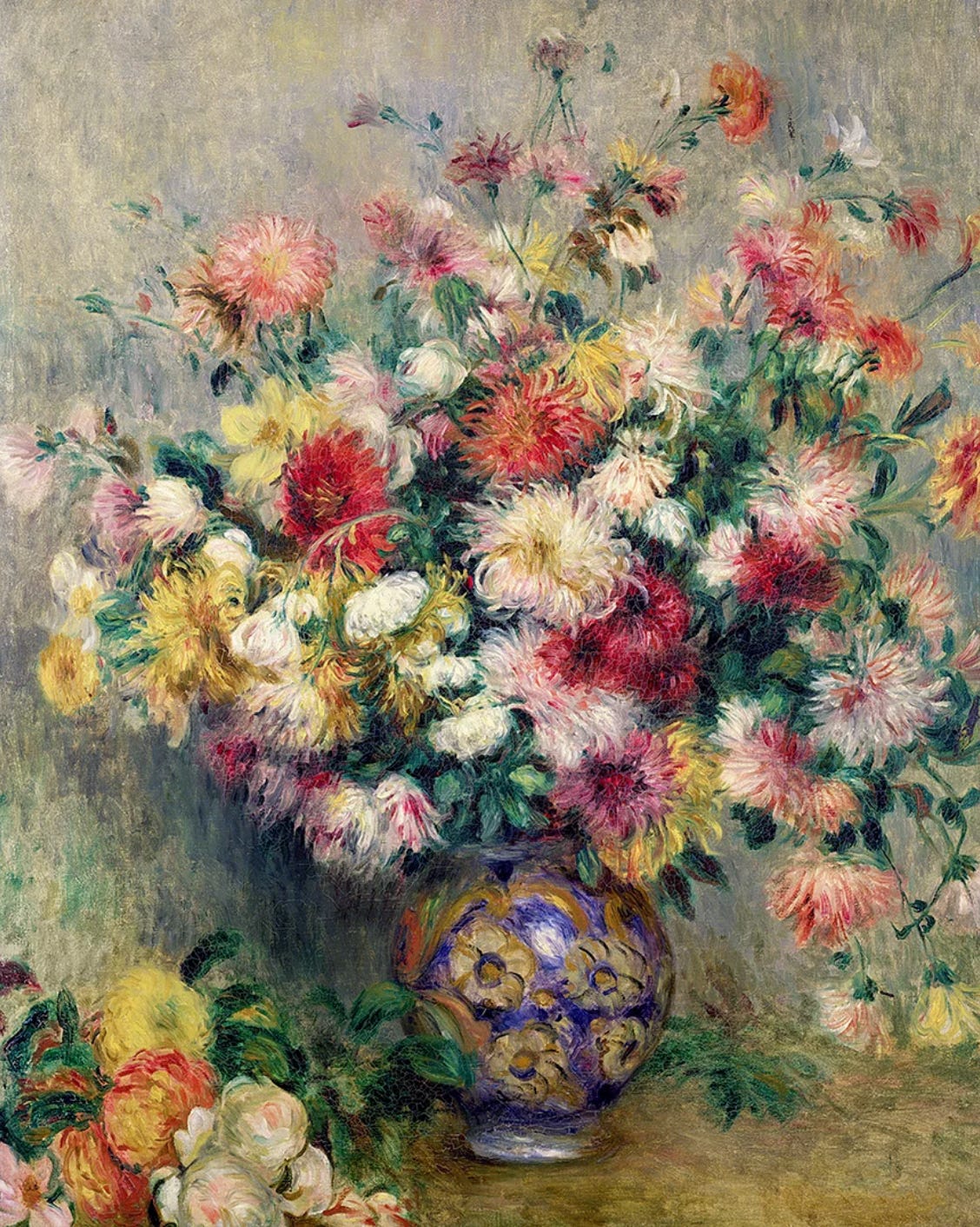
I am leaving academia despite enjoying the process of scientific discovery. I found real pleasure in asking questions, following ideas wherever they led, and uncovering pieces of the world that had previously been unknown. But over time, I began to feel a moral responsibility to direct that curiosity toward something that would meaningfully benefit society or humankind at large.
This raised a more difficult question:
What makes a problem meaningful enough to dedicate your life’s work to?
Growing up, I assumed the answer was human suffering. I entered medical sciences research in part because I believed I was meant to help alleviate it. If something causes people to suffer, then surely reducing that suffering is meaningful work.
I am less certain now. Suffering is an unavoidable part of being human. Some of it can and should be prevented or relieved, but much of it cannot simply be solved. Illness, loss, loneliness, disappointment, aging, and death will remain features of human life, regardless of how advanced our science or institutions become. Even when we eliminate one source of suffering, others inevitably take its place. We cannot escape it.
Perhaps, then, meaningful work does not always have to eliminate suffering. It can also create the conditions for a richer life alongside it.

There is value in creating beauty, connection, curiosity, play, and joy. These things do not eliminate the difficulties of being human, but they give us something to hold onto as we move through them. They can make life richer and more worth living.
This realization has changed what I find interesting. The questions that now seem most meaningful to me are increasingly social rather than scientific. I find myself thinking less about which biological mechanism I want to understand and more about the conditions in which people live: how communities are built, why institutions succeed or fail, and what helps people find belonging and realize their potential. I am increasingly drawn to the idea of adding beauty to the world—not merely aesthetic beauty, although that matters, but anything that makes human life more worth inhabiting. I am interested in building environments that give people the freedom, support, and sense of belonging to discover and realize their potential—institutions designed to help people flourish rather than simply extract value from them. Academia can certainly be a place to pursue these aims, and some people do. But I have found that the incentives and structures of academic science today make it difficult to succeed in this meaningfully, particularly at the scale I would like. I want to work in environments where building better communities and creating beauty are not peripheral to the work, but integral to it.
I don’t yet know exactly what form this will take in my career. But I feel a renewed sense of direction. I want to keep learning, developing new skills, and working alongside exceptional people who challenge how I think and expand what I believe is possible. I hope that, through those experiences, I will develop a clearer understanding of where I can contribute most meaningfully and what I ultimately want my life’s work to be.
If you enjoyed this essay, you might also like: