

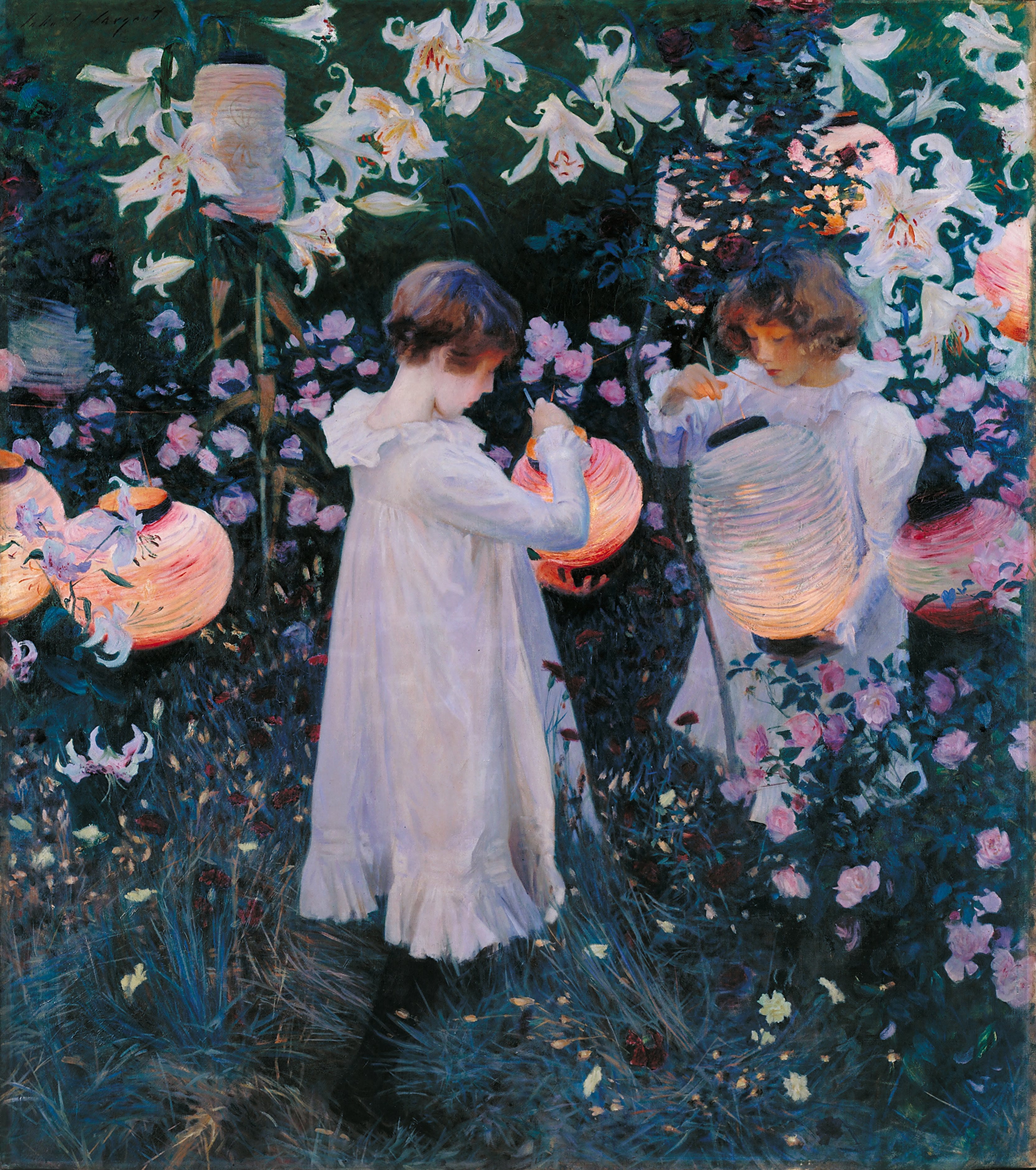
We live in a world increasingly preoccupied with efficiency and productivity. Even leisure is often given a utilitarian justification: exercise improves our health, reading develops our minds, learning a skill makes us more capable. Beauty is harder to defend on these terms because its effects are real but difficult to measure.
A sunset has no measurable utility. Neither does a painting, or an afternoon spent sitting beside a lake watching the light move across the water. And yet these experiences can leave us feeling calmer and more connected to the world around us. They soothe something in us that is difficult to name and even harder to quantify.
To appreciate beauty is to practice gratitude for what is already here—to pay attention to the present without immediately asking what it will produce in the future.
In a world increasingly organized around productivity and progress, beauty offers an antidote to the anxiety of always looking ahead. Beauty teaches us, if only for a moment, that the present does not need to become something else to be worth experiencing.
If we pay close enough attention to the world, it becomes vivid again. A tree is no longer simply a tree; we notice its particular shape, the texture of its bark, the movement of its branches. Light becomes something to observe rather than merely something we see. In this way, appreciating beauty allows us to experience the natural world with a greater degree of intimacy.
Attention, in turn, develops taste. The more carefully we look, the more distinctions we begin to perceive. We learn why one composition feels harmonious while another feels cluttered or why something fashionable may not necessarily be beautiful. Taste is the cultivated ability to perceive these differences.
Our response to beauty is not entirely arbitrary. Across cultures and throughout history, people have shown recurring preferences for certain forms, colours, patterns, proportions, and natural environments. The particulars vary, but some aesthetic preferences appear remarkably persistent. Beauty may reflect something more fundamental about how humans perceive the world.
We are naturally drawn to order. Symmetry, repetition, rhythm, and proportion give us a sense that the world is intelligible. A pattern allows us to anticipate what comes next. There is something reassuring about recognizing structure in what might otherwise appear random—a signal that we are successfully processing and making sense of our environment, an ability that may have important implications for survival. Order is closely related to safety.
But we do not want everything to be ordered. A perfectly repetitive pattern eventually becomes boring, and a completely predictable piece of music leaves nothing to discover. We are also drawn toward the unfamiliar and uncertain, toward experiences that challenge our expectations and require us to make sense of what we do not immediately understand. Chaos introduces variation, uncertainty, and the possibility of discovery. The most compelling forms of beauty often contain enough order to give us a foothold, but enough chaos to keep us from seeing everything at once.
The same principle seems to operate in nature. Recognizable patterns are everywhere, but they are rarely perfectly repetitive. Waves follow predictable forms without ever being identical. Trees grow according to underlying biological patterns but are shaped by countless contingencies. Even our bodies develop according to evolutionarily conserved programs, yet variation in our genes and environment ensures that no two are quite alike.
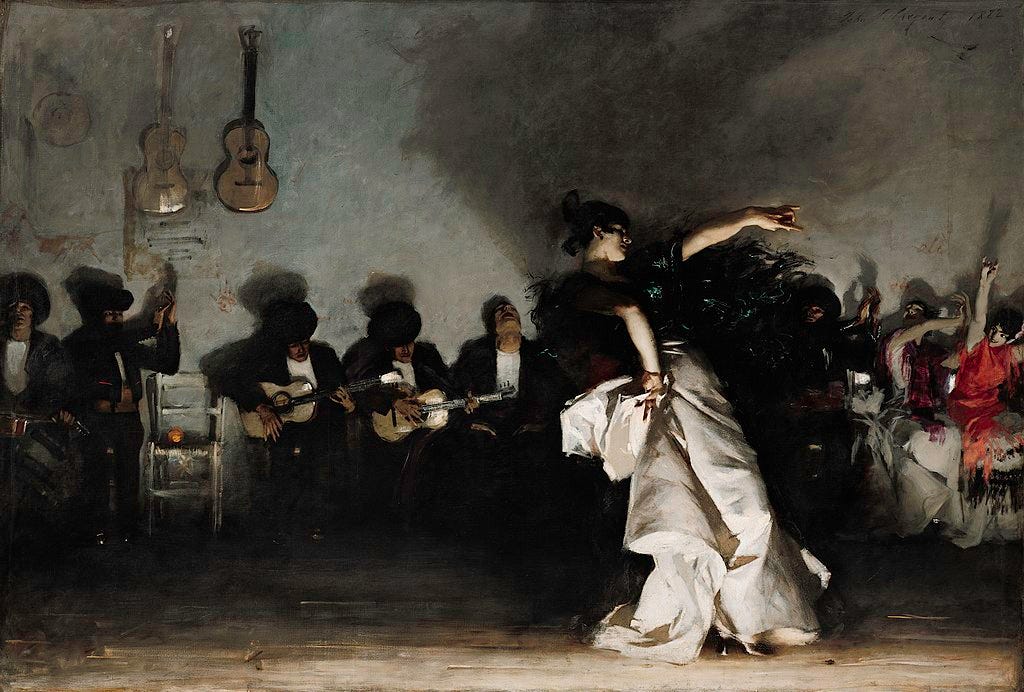
Perhaps it is this interplay between order and chaos that gives complexity its depth. Meaning accumulates through time, effort, and experience. Mastery requires struggle; relationships acquire history; art gains significance as we come to understand the life behind it. Suffering, too, becomes part of the texture of a life. We are shaped by what we endure.
Our attraction to this balance reflects something fundamental about us. We need security, but we also need something to pursue. Too much uncertainty is difficult to bear, yet a life without challenge leaves little to discover or strive toward. What we pursue gives our lives purpose; the pursuit itself gives our lives meaning.
Beauty lies in the tension between order and chaos: enough structure to make the world bearable, and enough uncertainty to give us a reason to continue.
Our perception of beauty changes as we grow older. The painting has not necessarily become more beautiful. We have simply accumulated more of the experiences that allow us to see what is already there. What once looked plain can begin to look profound. Taste, then, may be less about learning what we should find beautiful than about becoming capable of seeing more. The richer our perception becomes, the richer the world becomes with it.
If you enjoyed this essay, you might also like: